Skip to content

Table of Contents
Botox for Hyperhidrosis works by blocking the nerve signal that tells your sweat glands to switch on, which significantly reduces sweating in the treated area for months at a time. For people who have cycled through every clinical-strength antiperspirant without success, that mechanism is the difference between managing a problem and actually quieting it. At Zenova Med Spa in South Elgin, IL, this is one medical application of an injectable most people associate only with wrinkles.
How does Botox stop excessive sweating?
Botox® blocks acetylcholine, the chemical messenger that signals sweat glands to activate, so the glands in the treated area stay quiet even when your body would normally trigger them. The effect is temporary and limited to where the injections are placed.
Why Some People Sweat Far More Than They Need To
Hyperhidrosis means sweating well beyond what the body needs to regulate temperature. It is not a hygiene issue, and it is not something willpower resolves, which is why so many people spend years assuming they simply run warm. Primary hyperhidrosis usually begins in adolescence and concentrates in specific areas, most commonly the underarm sweating that soaks through shirts within minutes. The daily accommodations add up: avoiding gray and light blue, keeping a spare shirt in the car, angling away from a handshake. One important note before going further. Sweating that begins suddenly in adulthood, occurs during sleep, or affects the whole body should be evaluated by a physician first, since it can point to an underlying medical condition that needs different attention.
How Botox® Stops Excessive Sweating
Botox®, known clinically as botulinum toxin type A, interrupts communication between your nerves and your sweat glands. Nerves normally release acetylcholine to signal the glands to produce sweat. When that signal is blocked, the gland stays inactive. Two things are worth understanding about this sweat gland treatment. The glands are not removed, destroyed, or permanently altered, so the effect wears off as nerve function returns. Sweating elsewhere on your body continues normally, because only the injected area responds. Your body’s ability to cool itself stays intact.
Where This Treatment Is FDA-Approved and Where It Is Not
Botox® is FDA-approved for severe primary axillary hyperhidrosis (underarm sweating) in patients 18 and older. That approval is specific, and being precise about it is part of an honest conversation.
Use on the palms, soles, face, and scalp is considered off-label. Off-label does not mean unsafe or improper, since providers commonly use approved medications in ways supported by clinical experience. It does mean the decision belongs in a discussion with a qualified provider who can explain the reasoning. Our practice focuses on underarm treatment, which falls within the approved indication.
What a Hyperhidrosis Appointment Actually Involves
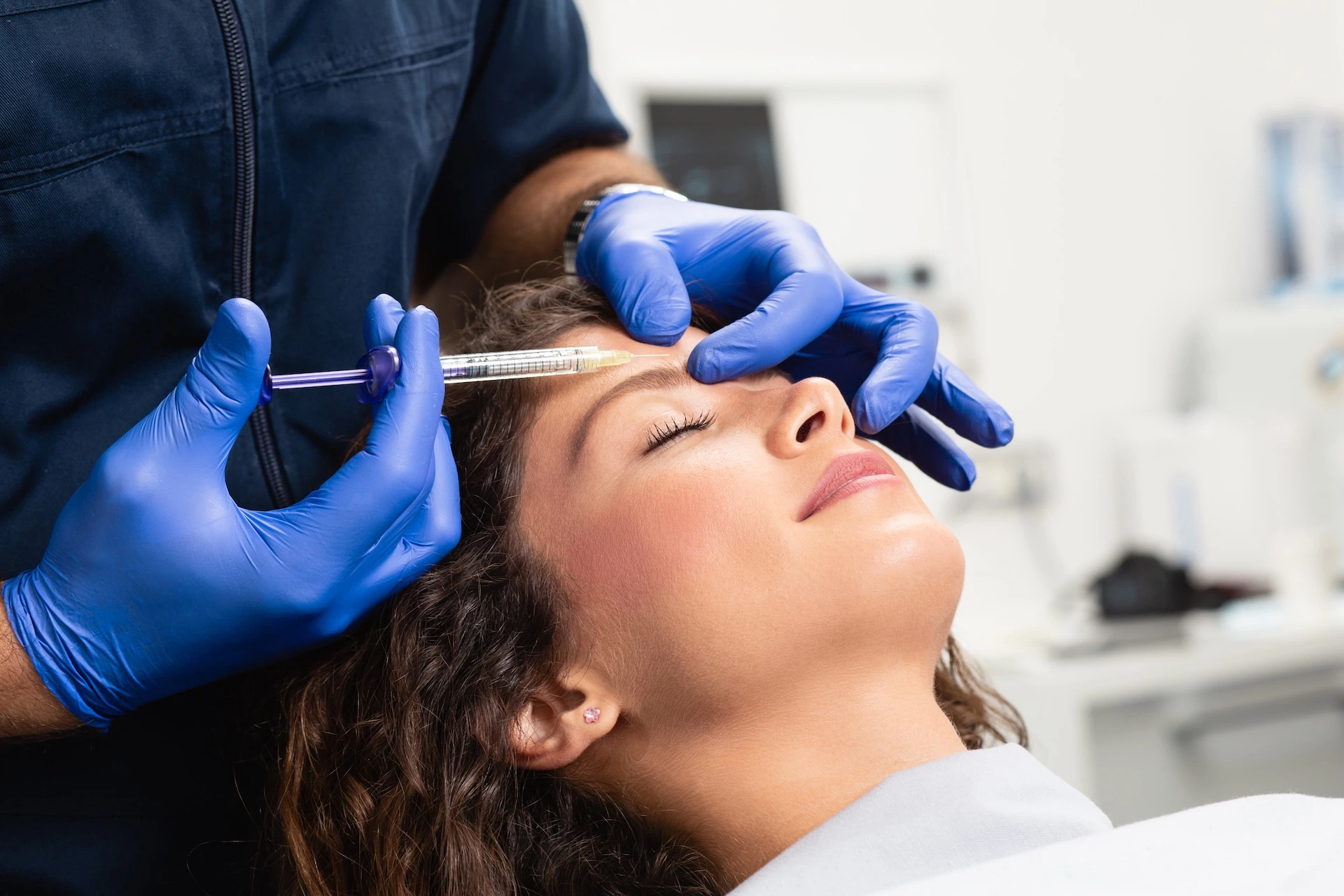
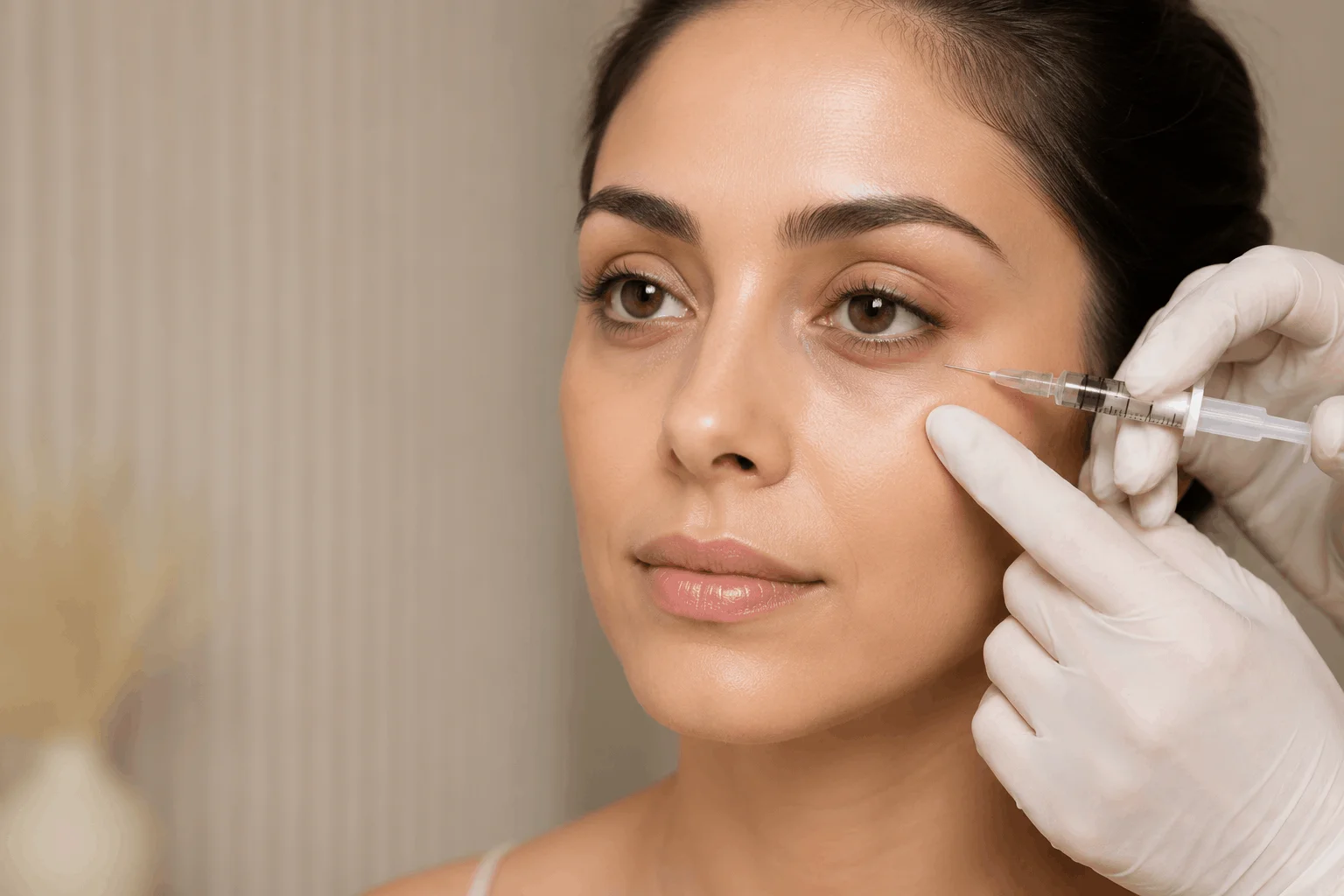
Hyperhidrosis treatment at our practice starts with a consultation covering your symptoms, medical history, what you have already tried, and whether injections are appropriate for you. Nothing is administered before that conversation happens. The appointment itself is short. The underarm area is cleansed, numbing may be applied for comfort, and your provider places a series of small, shallow injections spaced in a grid across the area. Most sessions run 15 to 30 minutes, and patients return to normal activity the same day with no downtime.
When Results Start and How Long They Last
Most patients notice a meaningful reduction within a few days to about two weeks as the blocked signal takes full effect. The change tends to be significant rather than subtle, which is what makes this medical Botox application so different from its cosmetic use. Underarm results typically last four to six months before retreatment is needed. Duration varies based on the individual, the dose used, and activity level. Retreatment is scheduled around when you notice the effect fading rather than on a fixed calendar, and your provider will help map that rhythm after your first round.
Who Is a Good Candidate for Botox® Sweating Treatment
This treatment tends to suit adults whose sweating has not responded to clinical-strength antiperspirants, and whose symptoms interfere with work, clothing choices, or social confidence. It is not appropriate for everyone. Patients who are pregnant or breastfeeding, and those with certain neuromuscular conditions, are generally not candidates. We review current medications and medical conditions beforehand. Candidacy is confirmed during an in-person consultation, never from a website or an intake form.
What to Expect Afterward
Aftercare is simple, and following it protects your result:
- Avoid rubbing or massaging the treated area
- Skip intense exercise, saunas, and hot showers for about 24 hours
- Expect mild tenderness or small bumps at the injection sites, which settle quickly
- Follow the personalized instructions your provider gives you
Living in South Elgin With Hyperhidrosis
Illinois summers bring humidity that makes underarm sweating harder to manage, and many patients seeking Botox for Sweating South Elgin IL providers offer schedule treatment in early spring so the effect covers the warmest stretch of the year. Patients looking into Hyperhidrosis Treatment St. Charles IL and the surrounding Fox Valley often raise the same timing question.
Winter creates its own version of the problem. Heavy layering indoors triggers sweating that has nowhere to evaporate, which is why some patients find the colder months just as difficult. Timing is worth discussing at your consultation.
Common Questions About Botox® for Excessive Sweating
Does it hurt? The injections are shallow, and the needle is fine. Most patients describe a brief pinching sensation, and numbing is available.
Is it safe to block sweating in one area? Yes. The underarms account for a small portion of your body’s total sweat capacity.
Can I use antiperspirant after treatment? Yes, though most patients find they no longer need it in the treated area. Your provider will let you know when to resume normal products after your appointment.
Should I shave before my appointment? Shaving a day or two beforehand is helpful, since it makes the treatment area easier to map and cleanse. It is not a requirement, and your provider will let you know if they prefer otherwise.
Ready to Stop Planning Around It
If Botox for excessive sweating sounds like it might finally address something you have managed around for years, the next step is a conversation with a medical provider who can review your symptoms and confirm whether you are a candidate for sweat reduction treatment. Book your consultation and regain confidence with Botox for excessive sweating.